Progression in Personal Development
EYFS
Nurturing children’s Personal, Social and Emotional Development is of paramount importance in EYFS. As they start school, children are taught about routines and organisation. They are supported in making friends, developing self-confidence and their social and behavioural skills. Children are encouraged to operate independently and effectively within the setting, including accessing ongoing provision. They discuss getting on and falling out and bullying. In the Foundation Stage, children learn to work and play co-operatively. With confidence and developing social skills they can explain their own knowledge and understanding. Their personal development discussions introduce the idea of goals. Children also think about what makes them unique and talk about their relationships.

Year 1
In Year 1, children learn more about their own health and well-being. They discuss moving to a new class and looking after their bodies, including good hygiene. They also consider how their behaviour affects others and learn about being polite and respectful. Relationships are an important part of the Personal Development curriculum. Year 1 children discuss families and friendships and what it means to feel cared for. Children are taught about living in the wider world. Year 1s learn about community and the importance of protecting their environment. Of course, the wider world includes the online world. Year 1s are taught the basic rules for keeping safe online. Children enjoy learning about jobs in the community and discussing the strengths and interests are needed to do different jobs. Year 1 pupils are taught the importance of safe relationships. They understand when
someone’s body or feelings might be hurt and discuss privacy, staying safe and seeking permission. Pupils recognise what makes them unique and special, can begin to discuss their feelings and know strategies of managing when things go wrong.
Year 2
By Year 2, Children know how to describe and share a range of feelings. They discuss ways to feel good, calm down or change their mood e.g. playing outside, listening to music, spending time with others. They learn how to manage big feelings including those associated with change, loss and bereavement. They also recognise when and how to ask for help, and how to help others, with their feelings. Furthering their understanding of relationships, Year 2s look at making friends and what it means to feel lonely. They recognise things they have in common and their differences. Children discuss playing and working cooperatively and sharing opinions. They think about different rights and responsibilities that they have in school and the wider community. As children become more aware of online content, they are taught to be respectful on the internet and to appreciate that information online might not always be true. Building on their understanding of safe relationships, Year 2s discuss managing secrets, resisting pressure, and recognising hurtful behaviour. They begin to think about money and how people make choices about spending money, including thinking about needs and wants. Teaching our children to stay safe is an important part of the PD curriculum. Year 2 children understand safety in different environments, risk and safety at home and emergencies. The class also discusses naming body parts and growing older. They are prepared for moving up to Key Stage 2 with a transition unit.

Year 3
In Year 3, children discuss health choices and habits. They talk about the things that affect feelings both positively and negatively and develop strategies to identify and talk about their feelings. Year 3 children know that being part of a family provides support, stability and love and can recognise and respect that there are different types of families. When thinking about respecting self and others, Year 3 learn the ways in which people show respect and courtesy in different cultures and in wider society. They discuss the value of rules and laws and understand basic human rights, freedoms and
responsibilities. Continuing their e-safety learning, children in Year 3 know how the internet can be used positively. They develop strategies to recognise whether something they see online is true or accurate and know how to make safe and reliable choices on the internet. Year 3’s learning about safe relationships focuses on personal boundaries, safely responding to others and the impact of hurtful behaviour. Furthering their understanding of money and work, the class discuss job stereotypes and setting personal goals. Children learn more about how to predict, assess and manage risk in everyday situations. They can recognise common challenges to self -worth and learn basic strategies to manage and reframe setbacks.
Year 4
Deepening their understanding of their own wellbeing, children in Year 4 think about the link between participating in interests, hobbies and community groups and mental wellbeing. They discuss maintaining a balanced lifestyle physically and mentally. Linked to their science work, Year 4 think about oral hygiene and dental care. Children learn about the features of positive healthy friendships such as mutual respect, trust and sharing interests. They know the importance of respecting the differences and similarities between people. In their e-safety curriculum, Year 4s are taught how data is shared and used, for example in advertising. They discuss responding to hurtful behaviour, managing confidentiality and recognising risks online. Building on their discussions in Year 3, Year 4s talk about making decisions about money including keeping money safe. They also ask what makes a community and consider shared responsibilities. Children in Year 4 know how to stay safe around medicines and household products and begin to think about drugs common to everyday life. They discuss their personal identity, recognising individuality and different qualities. They think about changes before puberty.
Year 5
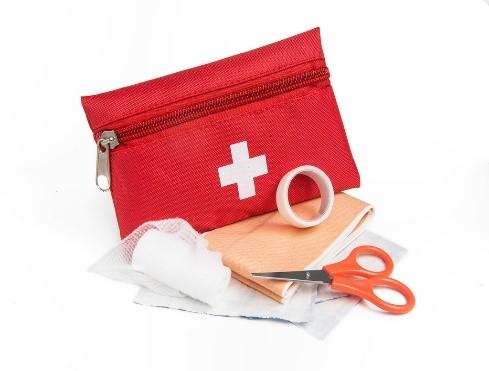
By Year 5, children learn that mental health is just as important as physical health and that both need looking after. They discuss managing friendships and peer influence. At Keldmarsh children are given opportunities to express their opinions and understand the importance of respecting other points of view. Year 5s use these skills to discuss topical issues. Furthering their understanding of the online world, children learn how information online is targeted, discuss different media types and their impact. When learning about healthy and safe relationships, Year 5s consider physical contact and feeling safe. Children discuss their aspirations, ask what influences career choices and learn about workplace stereotypes. Physical health is further explored in Year 5. Children are taught about healthy sleep habits, sun safety, vaccinations, immunisations and allergies. They learn about keeping safe in different situations, including responding in emergencies and first aid. They also learn about the physical and emotional changes in puberty.
Year 6
In Year 6, children discuss what affects mental health and learn ways to take care of it. They spend time thinking about managing change, loss and bereavement and grief. Children discuss the importance of responding respectfully to a wide range of people. They value diversity and understand how to recognise and challenge discrimination and stereotypes. Year 6 pupils further their understanding of money by considering attitudes to money and financial risks. Safety is further explored, for example keeping personal information safe and drug use and the law. When learning about e-safety, children discuss social media. They understand the issues surrounding sharing things online, including rules and laws relating to this. Safe and healthy relationships are explored further as children discuss how to recognise and manage pressure. They learn about permission and consent in different situations. They will also think more about families. The Year 6 class will discuss attraction to others, romantic relationships, civil partnership, and marriage. A school nurse will help Year 6 pupils learn about human reproduction and birth.

Jigsaw

|
Jigsaw knowledge and skills progression Relationships Ages 3-11 | [pdf 184KB] |

|